CAD Design & Modification
Create, refine, or repair product geometry for engineering review, prototyping, and fabrication.
- 3D parts and assemblies
- Engineering drawings
- Design changes and component interfaces
- Printability and manufacturability review
I help startups, inventors, researchers, and engineering teams develop medical-device concepts, CAD models, prototypes, test plans, and clear technical documentation.
From a rough idea to an organized prototype package, I provide practical support without burying the project beneath unnecessary ceremony.
Create, refine, or repair product geometry for engineering review, prototyping, and fabrication.
Translate a clinical, research, or user need into organized product requirements and early concepts.
Prepare designs for physical builds and support controlled iteration from prototype to improved prototype.
Organize repeatable evaluation plans and convert observations into useful engineering conclusions.
Develop concise, structured records that make engineering work easier to review, repeat, and transfer.
Support technical teams with setup, calibration readiness, issue definition, and improvement of equipment workflows.
My work sits at the intersection of mechanical design, biomedical research, additive manufacturing, controlled testing, and regulated-product documentation.
These examples show the kind of thinking I bring to client work: define the need, understand the constraints, build carefully, test, and document.
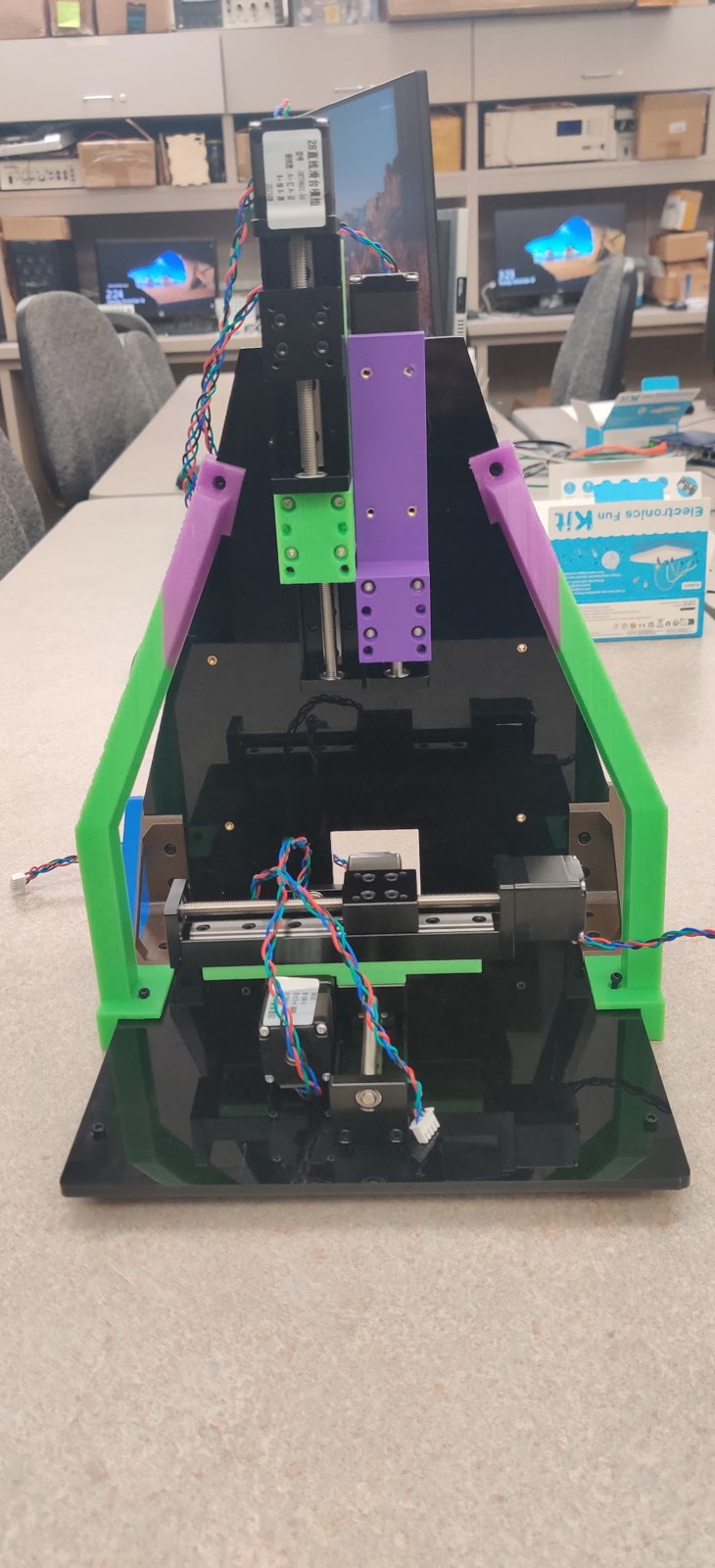
Supported development and customization of a biomedical platform from intended use and system architecture through component selection, CAD, assembly, calibration, testing, troubleshooting, and design refinement. Work included printhead and nozzle components, subsystem interfaces, serviceability, and repeatable operation.
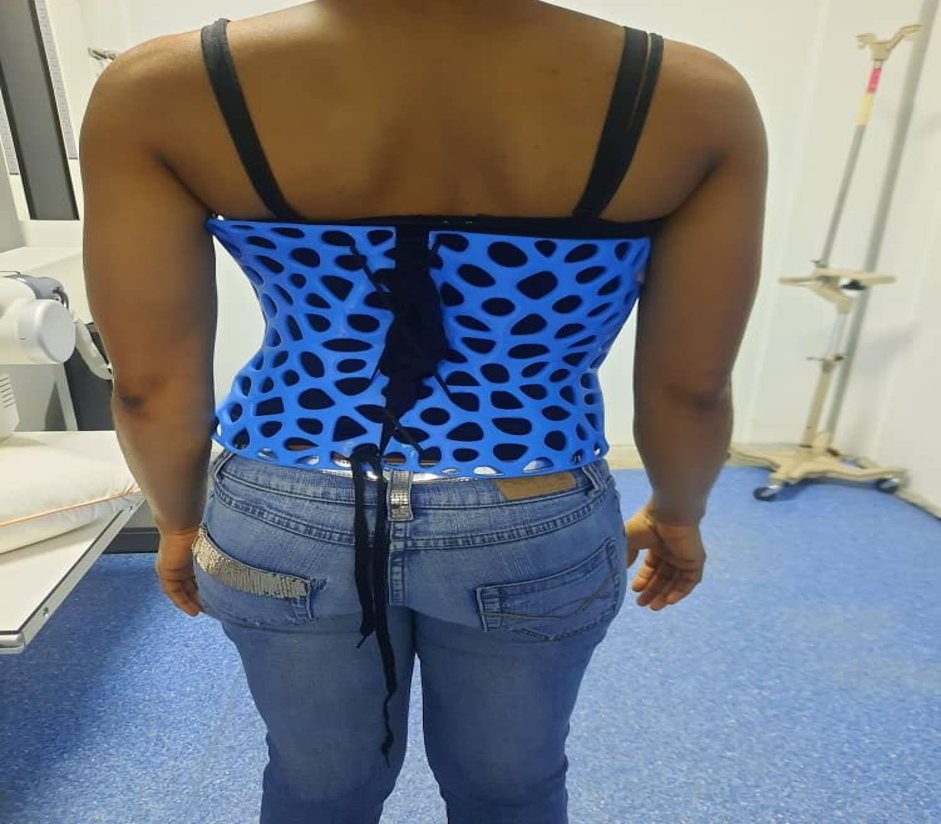
Developed a customized wearable-device concept using body scanning, CAD, biomechanics, and additive-manufacturing principles. The project translated anatomical and user needs into requirements for fit, comfort, pressure distribution, structural support, adjustability, ventilation, safe use, and manufacturability.
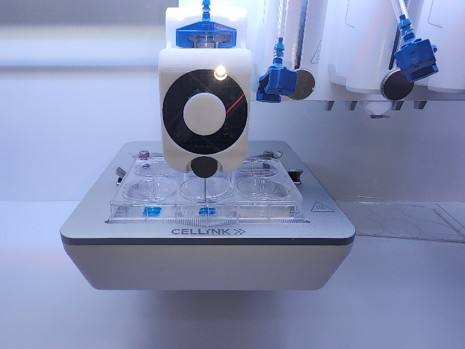
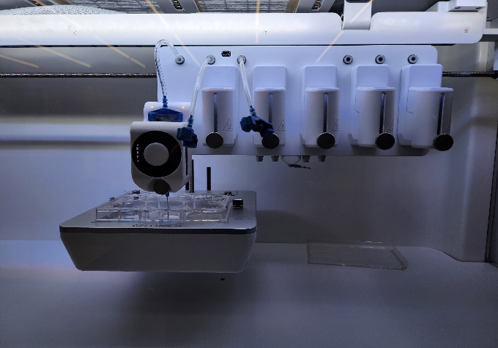
Designed and executed controlled bioprinting studies involving equipment configuration, pressure, speed, temperature, nozzle setup, material preparation, structural evaluation, live/dead fluorescence workflows, luminescence-based testing, Nikon confocal imaging, comparative data review, and graduate-thesis documentation.
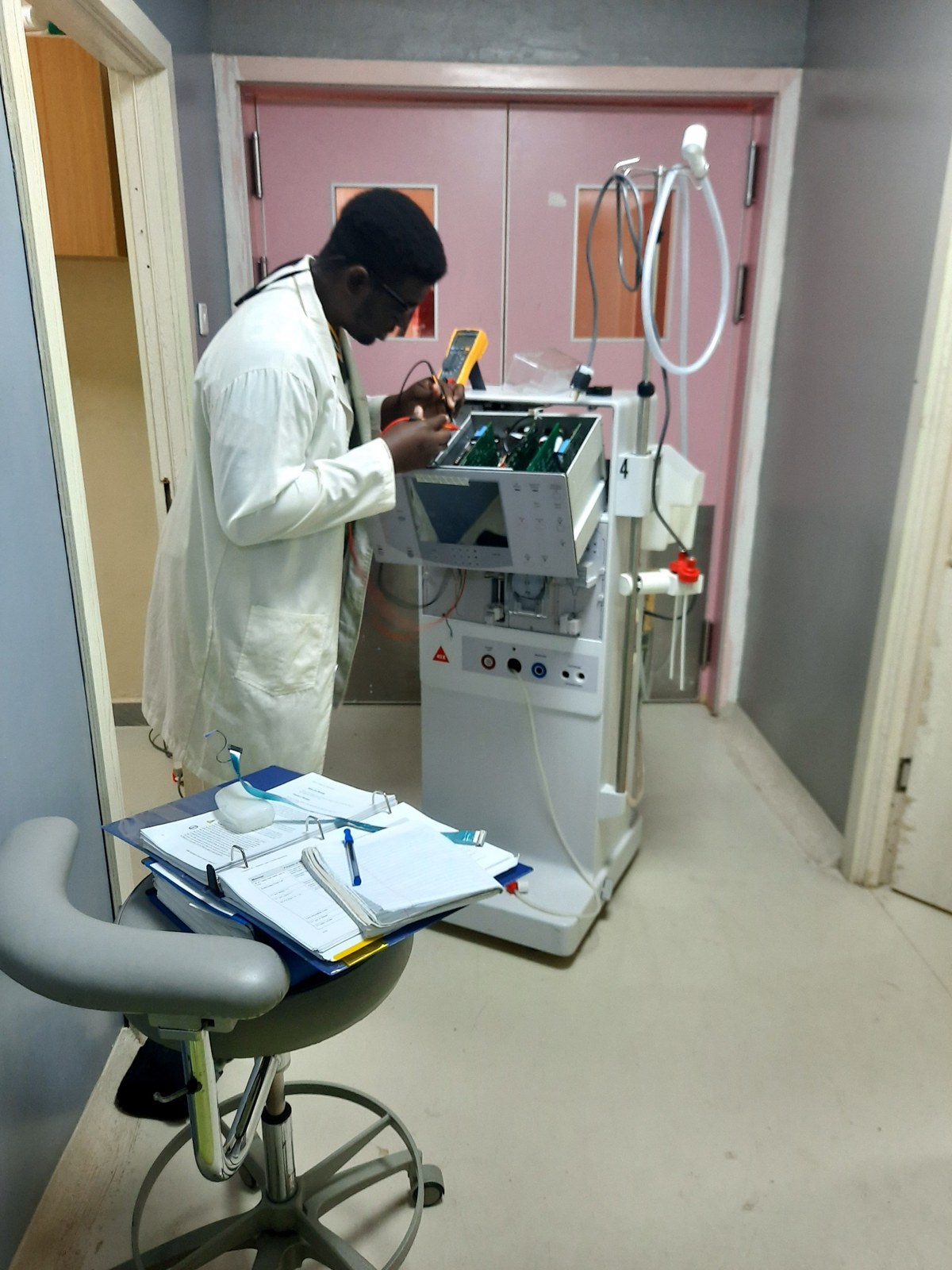
Supported equipment installation, setup, inspection, troubleshooting, preventive maintenance, calibration readiness, functionality and safety checks, vendor escalation, service documentation, and return-to-use activities in hospital environments.
Every engagement is scaled to the project, but the core workflow stays disciplined.
Clarify the user need, technical objective, constraints, inputs, deliverables, and success criteria.
Create concepts, models, plans, or documentation and review the important engineering tradeoffs.
Check geometry, interfaces, test evidence, risks, repeatability, and practical build considerations.
Provide organized files, findings, assumptions, limitations, and recommended next steps.
I am a biomedical engineer with an M.S. in Biomedical/Medical Engineering and more than four years of combined engineering, research, product-development, and clinical equipment-support experience. I work best on projects that require careful technical reasoning, hands-on problem solving, and documentation that other people can actually use.
My experience includes medical-device concepts, CAD-based development, additive manufacturing, bioprinting, biomechanics, biomaterials, controlled testing, equipment troubleshooting, data analysis, and cross-functional communication with researchers, clinical teams, vendors, and technical stakeholders.
Graduate research in bioprinting, tissue engineering, experimental methods, imaging, technical analysis, and thesis documentation.
Medical-equipment troubleshooting, inspection, preventive-maintenance support, calibration readiness, vendor coordination, and service documentation.
Foundation in biomedical design, anatomy and physiology, biomechanics, instrumentation, engineering analysis, and a 3D-printed scoliosis-brace capstone.
Send a short description of the idea, current files, required deliverables, timeline, and any confidentiality requirements. I can assess the scope and outline a practical way forward.