Biomedical consulting · Medical-device design · CAD · Prototyping

Biomedical engineering support for products that have to work.

I help startups, inventors, researchers, and engineering teams move medical-device and technical product ideas forward through CAD, prototyping, engineering simulation, testing, 3D printing, and practical technical documentation.

✓M.S. Biomedical Engineering✓4+ years combined experience✓Remote collaboration

Medical device design · Biomedical product development · SolidWorks CAD · Engineering simulation · Prototyping · 3D printing · Technical consulting

Freelance services

Freelance biomedical engineering support from concept to prototype.

From early medical-device concepts to CAD, simulation, prototypes, testing, and documentation, I provide focused engineering support matched to the stage of your project.

Medical-Device Concepts

Translate a clinical, research, or user need into organized requirements and practical early concepts.

  • Needs and requirements translation
  • Concept generation and feasibility
  • Material and component considerations
  • Risk-based design thinking

CAD Design & Modification

Create, refine, or repair product geometry for engineering review, prototyping, and fabrication.

  • 3D parts and assemblies
  • Engineering drawings
  • Component interfaces
  • Printability and manufacturability review

3D Printing & Prototyping

Prepare designs for physical builds and support controlled iteration from prototype to improved prototype.

  • FDM print preparation
  • Prototype planning and assembly
  • Fit, geometry, and interface checks
  • Physical models can be printed and shipped within the U.S. when needed

Simulation, Testing & Analysis

Use computational modeling, engineering analysis, and structured testing to evaluate designs and support better decisions.

  • Engineering simulation and computational modeling
  • AI-assisted digital-twin concepts where appropriate
  • Test plans and acceptance criteria
  • Failure investigation and technical reporting

Technical Documentation

Develop concise, structured records that make engineering work easier to review, repeat, and transfer.

  • Technical reports and protocols
  • SOPs and work instructions
  • Research and literature summaries
  • Requirements and project documentation

Equipment & Workflow Support

Support technical teams with setup, calibration readiness, issue definition, and equipment workflows.

  • Equipment setup and troubleshooting
  • Workflow and process review
  • Vendor and stakeholder coordination
  • Service and maintenance documentation

Teaching & Technical Mentoring

Available for practical teaching, tutoring, and guided technical support for students, early-career engineers, and project teams.

  • Biomedical engineering fundamentals
  • CAD and design-process guidance
  • 3D printing and prototyping workflows
  • Project reviews and technical problem-solving

Need a physical model? I can also 3D print selected models or prototype parts and arrange U.S. shipping when that is useful to the project.

First engagement? For clients who prefer added structure and payment security, an initial project can be contracted through Contra with the scope, milestones, deliverables, and payment releases tied to agreed project goals.

Technical capabilities

A biomedical perspective with practical product-development skills.

My work sits at the intersection of mechanical design, biomedical research, additive manufacturing, engineering simulation, AI-assisted digital-twin concepts, controlled testing, and regulated-product documentation.

SolidWorksCreoAutoCAD3D PrintingPrototypingEngineering SimulationDigital-Twin ConceptsAI-Assisted ModelingBioprintingMATLABPythonTechnical Writing
ProductConcept development, requirements, design iteration, DFM/DFA awareness, and prototype planning.
SimulationEngineering simulation, computational modeling, and AI-assisted digital-twin concepts used as decision-support with human review.
TestingBenchtop evaluation, calibration checks, acceptance-criteria thinking, repeatability, and failure investigation.
QualityWorking knowledge of ISO 13485, ISO 14971, FDA design controls, V&V, FMEA, CAPA/NCR, and IQ/OQ/PQ concepts.
ClinicalMedical-equipment support, clinician communication, vendor coordination, service records, and safe return-to-use workflows.
TeachingPractical instruction and mentoring in biomedical engineering, CAD, prototyping, 3D printing, and technical project development.
Human review matters

When human health or physiology is involved, AI can assist — but it cannot replace human review or accountability.

Simulation and AI can accelerate exploration, modeling, and analysis. But when a design may affect a person, the engineering decisions still need human judgment, verification, and responsibility.

Selected project experience

Work grounded in real engineering problems.

Examples across biomedical product development, additive manufacturing, biomechanics, bioprinting, and clinical engineering.

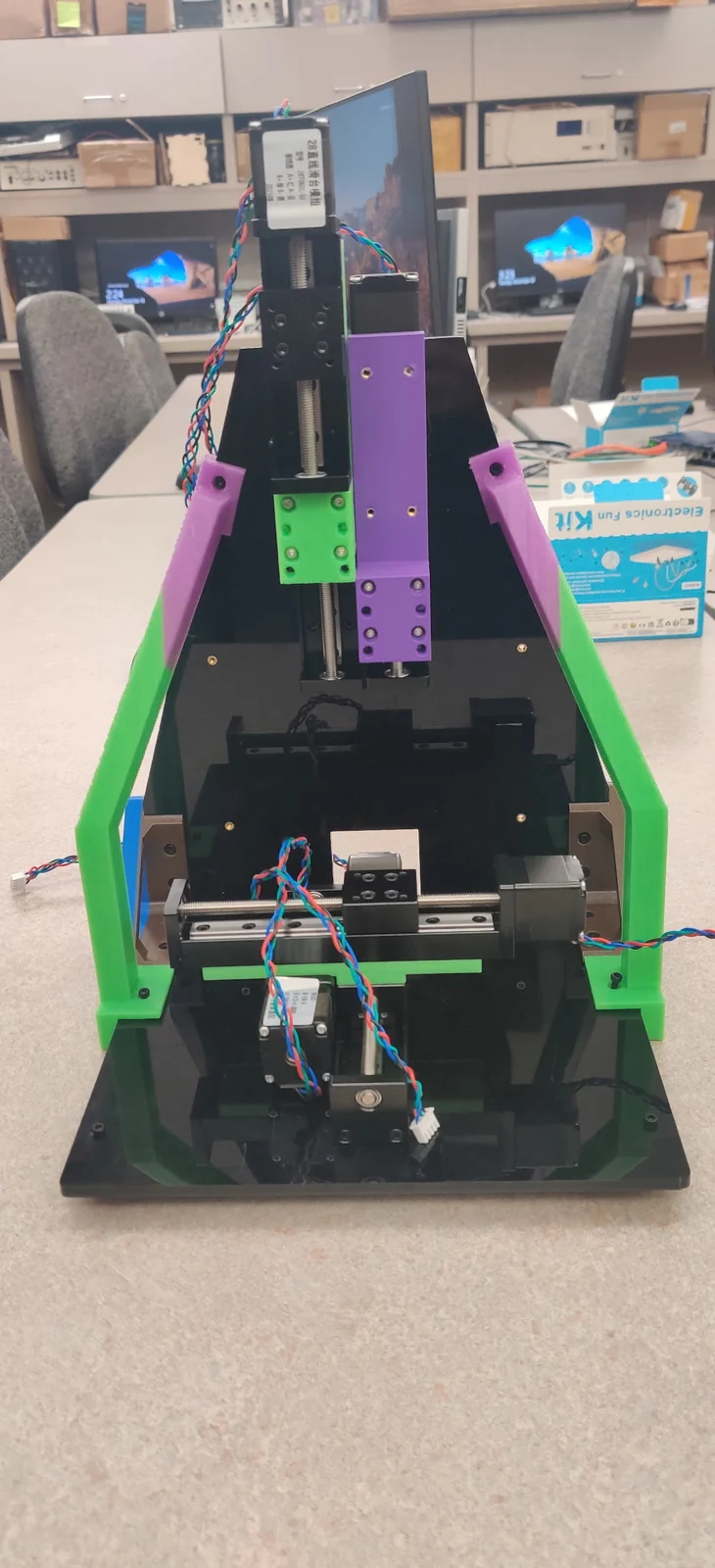
Multi-tool and multi-nozzle bioprinter prototype
Project 01 · Product development

Multi-Tool / Multi-Nozzle Bioprinter

Supported development and customization of a biomedical platform from intended use and system architecture through component selection, CAD, assembly, calibration, testing, troubleshooting, and design refinement.

SolidWorksCreoAutoCADSystem IntegrationTesting
Additional CAD & product-development workClick any image to open the full view
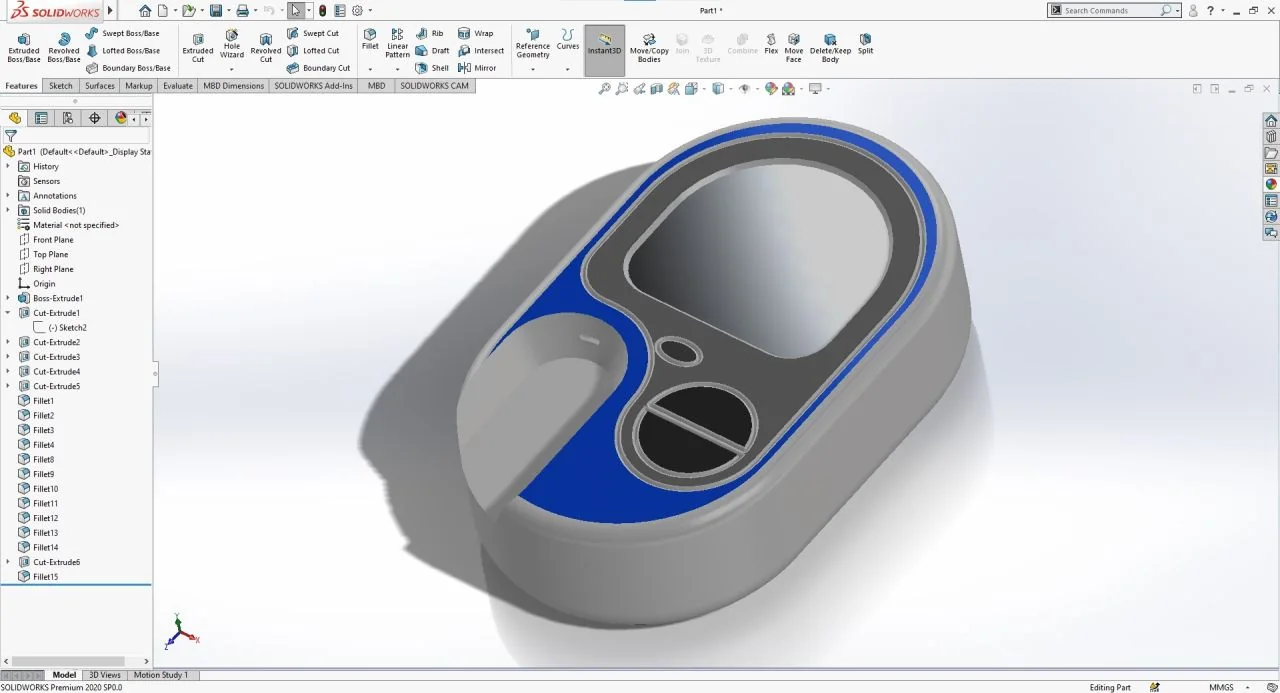
Point-of-care blood-testing device CAD concept
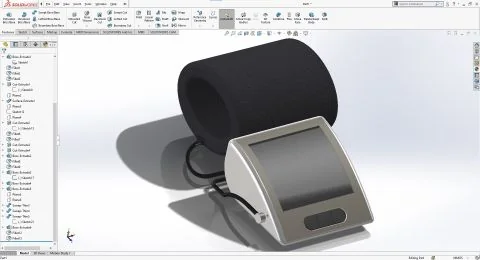
Pressure-cuff system modeled in SolidWorks
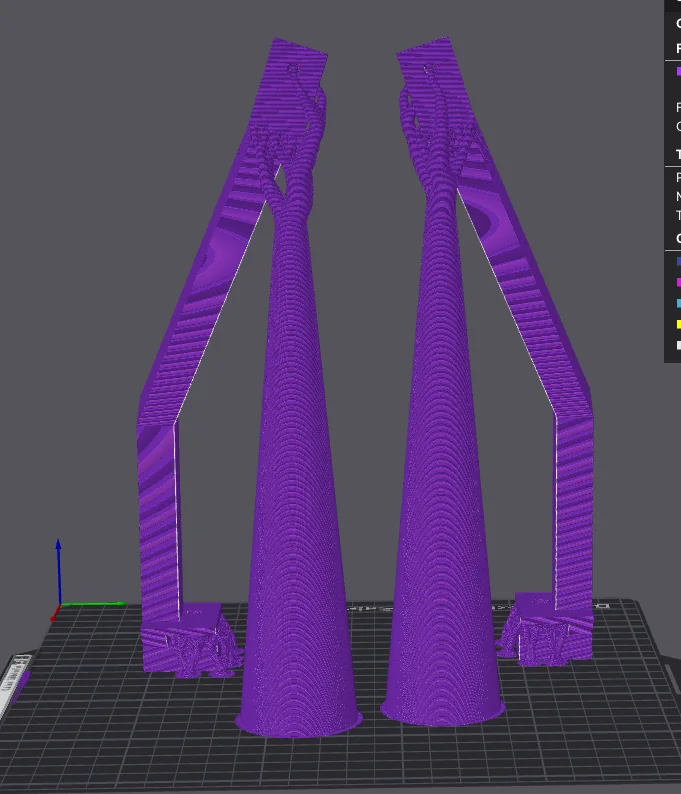
Bioprinter stand components prepared in slicing software
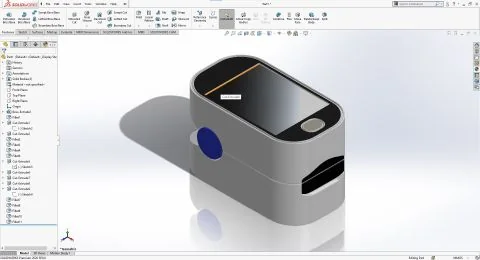
Compact SpO₂ / finger-monitor enclosure CAD concept
Selected project documentation and engineering work. Patient-facing imagery is presented without identifying information.
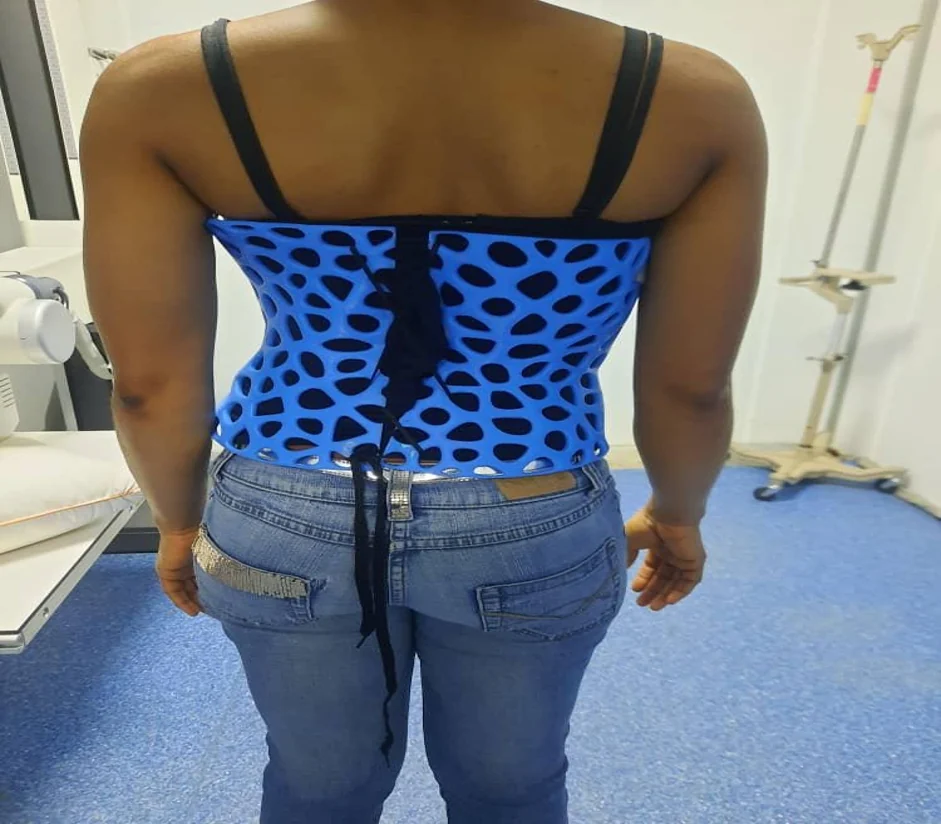
Customized 3D-printed thoracic scoliosis brace
Project 02 · Wearable medical product

3D-Printed Thoracic Scoliosis Brace

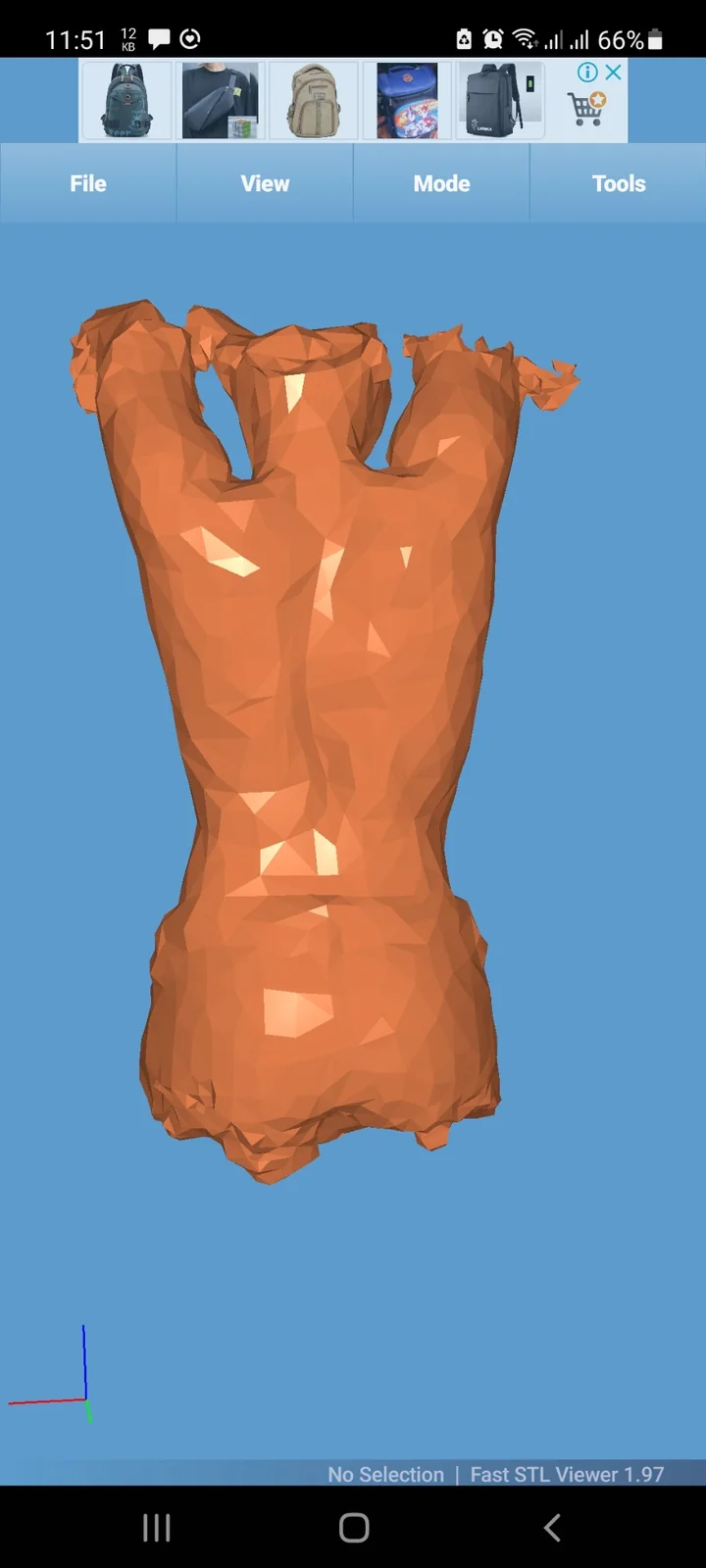
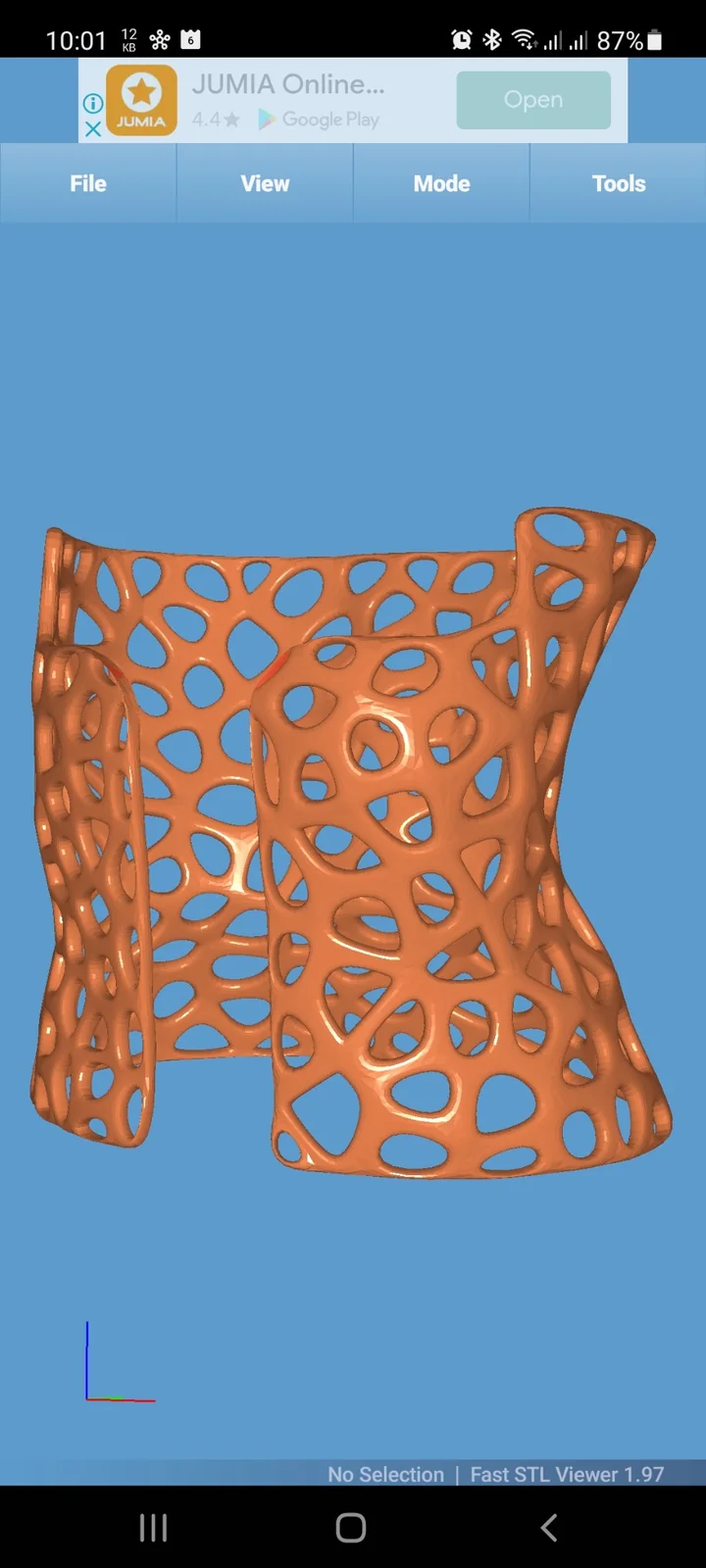
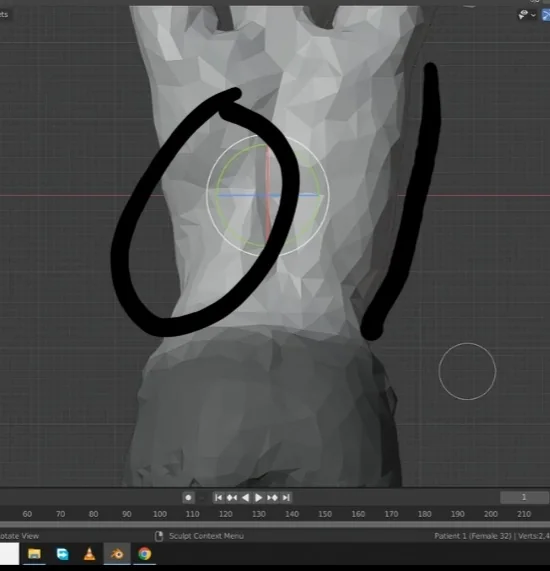
Developed a customized wearable-device concept using body scanning, CAD, biomechanics, and additive-manufacturing principles, translating anatomical and user needs into fit, comfort, support, adjustability, ventilation, safe-use, and manufacturability requirements.

Wearable DesignBiomechanics3D PrintingMaterial SelectionCAD
Scoliosis brace workflow · scan to simulation to printClick any image to open the full view
Patient torso scan used as the anatomical starting geometry
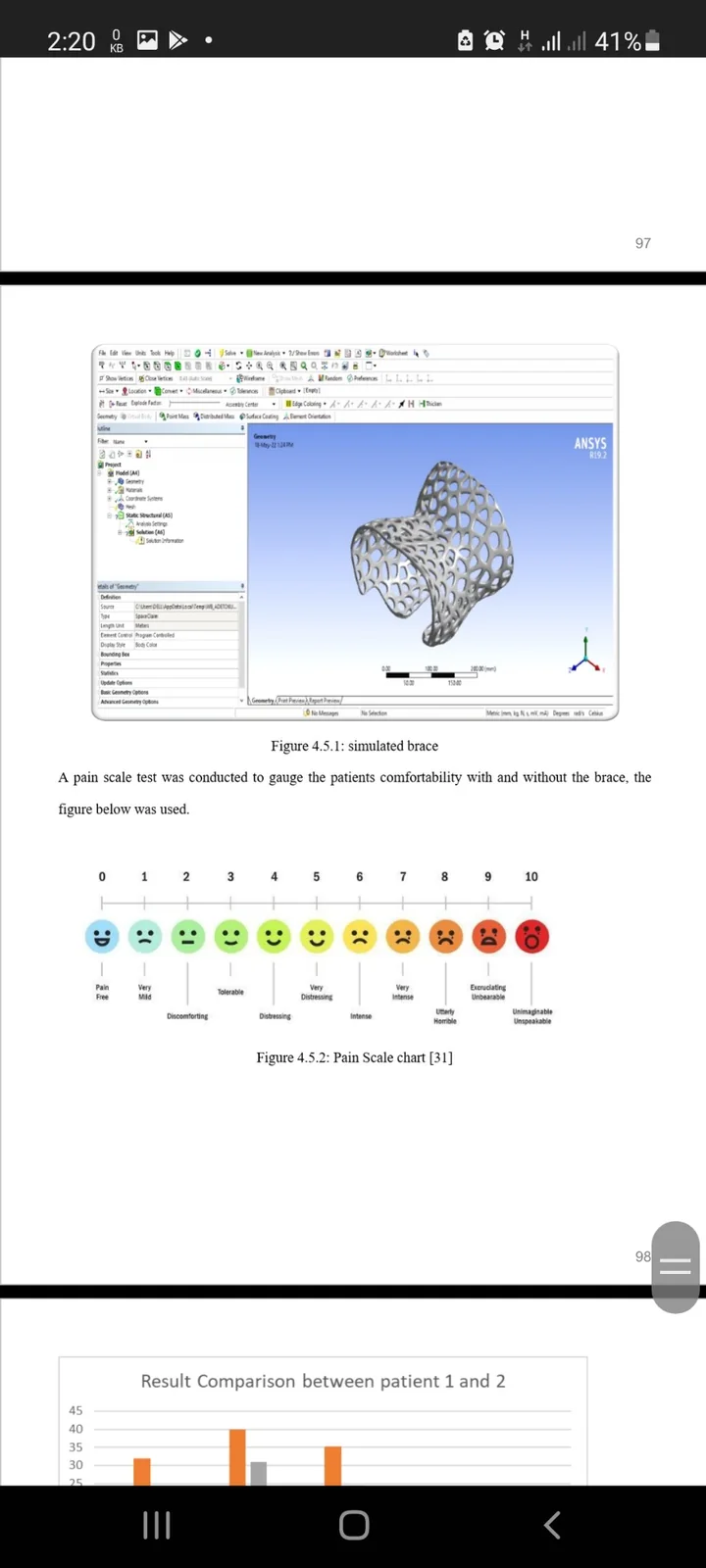
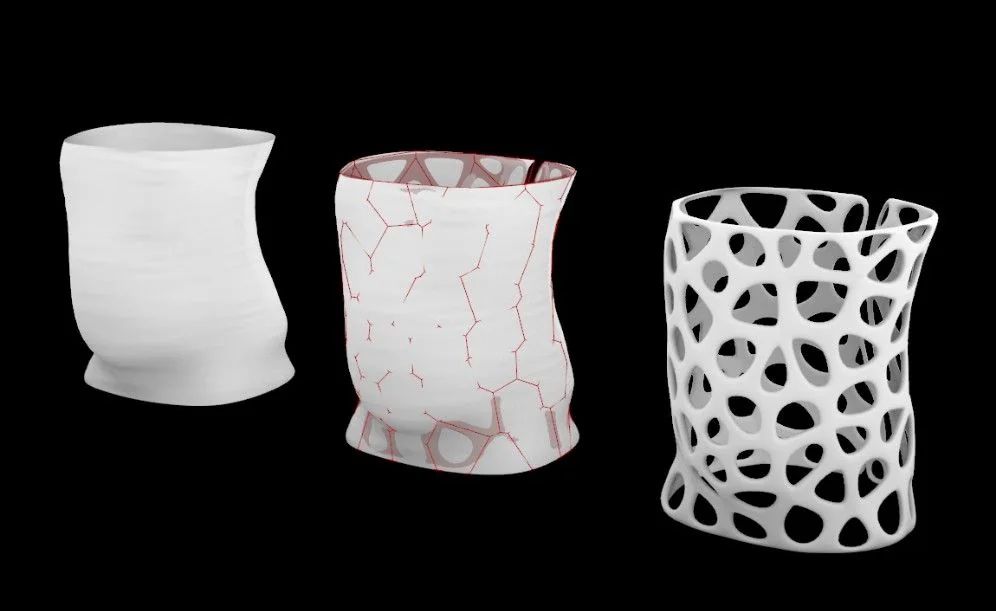
Ventilated brace geometry developed around the patient model
Digital correction of scoliosis geometry before brace modeling
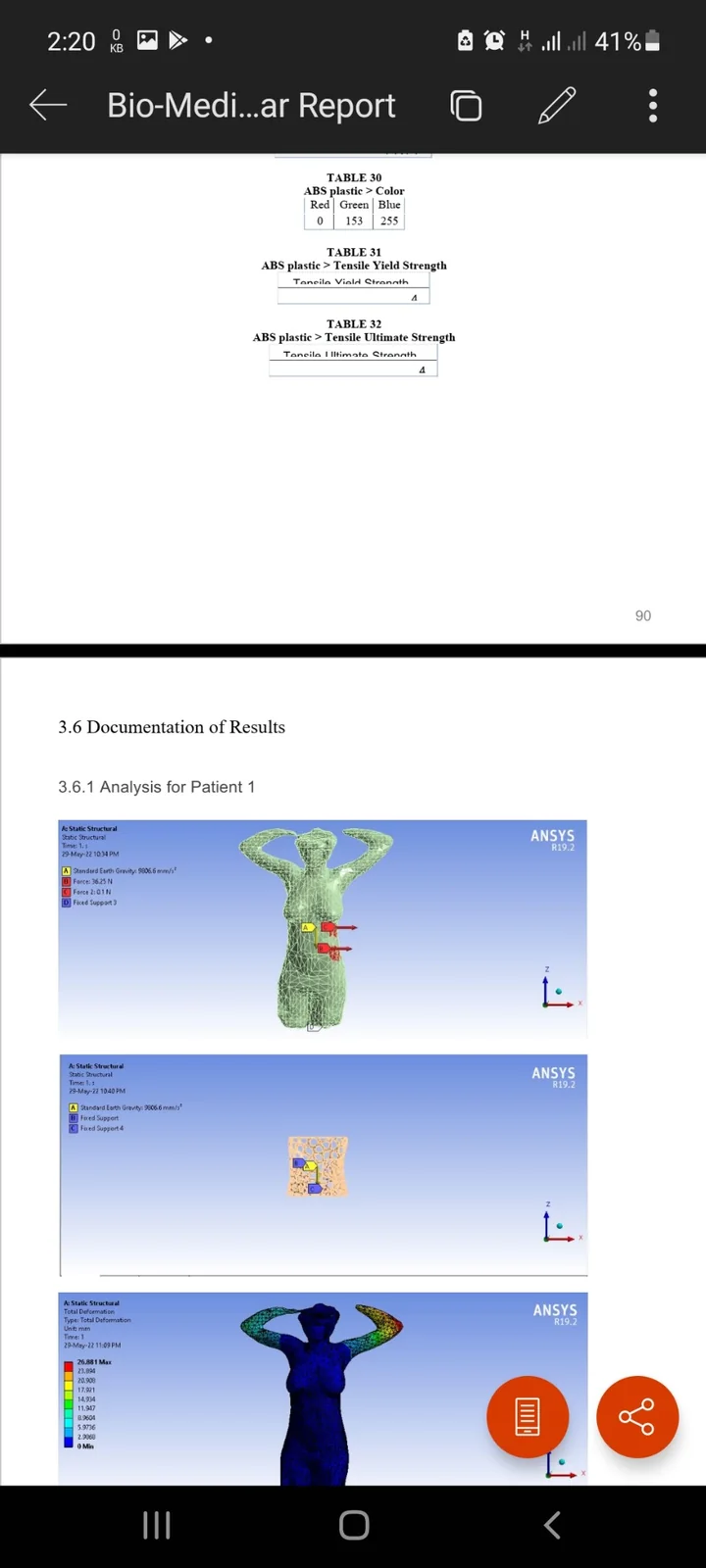
Structural-analysis setup for the patient model and brace
Brace simulation and fit evaluation in ANSYS
Digital molding and lattice-development iterations
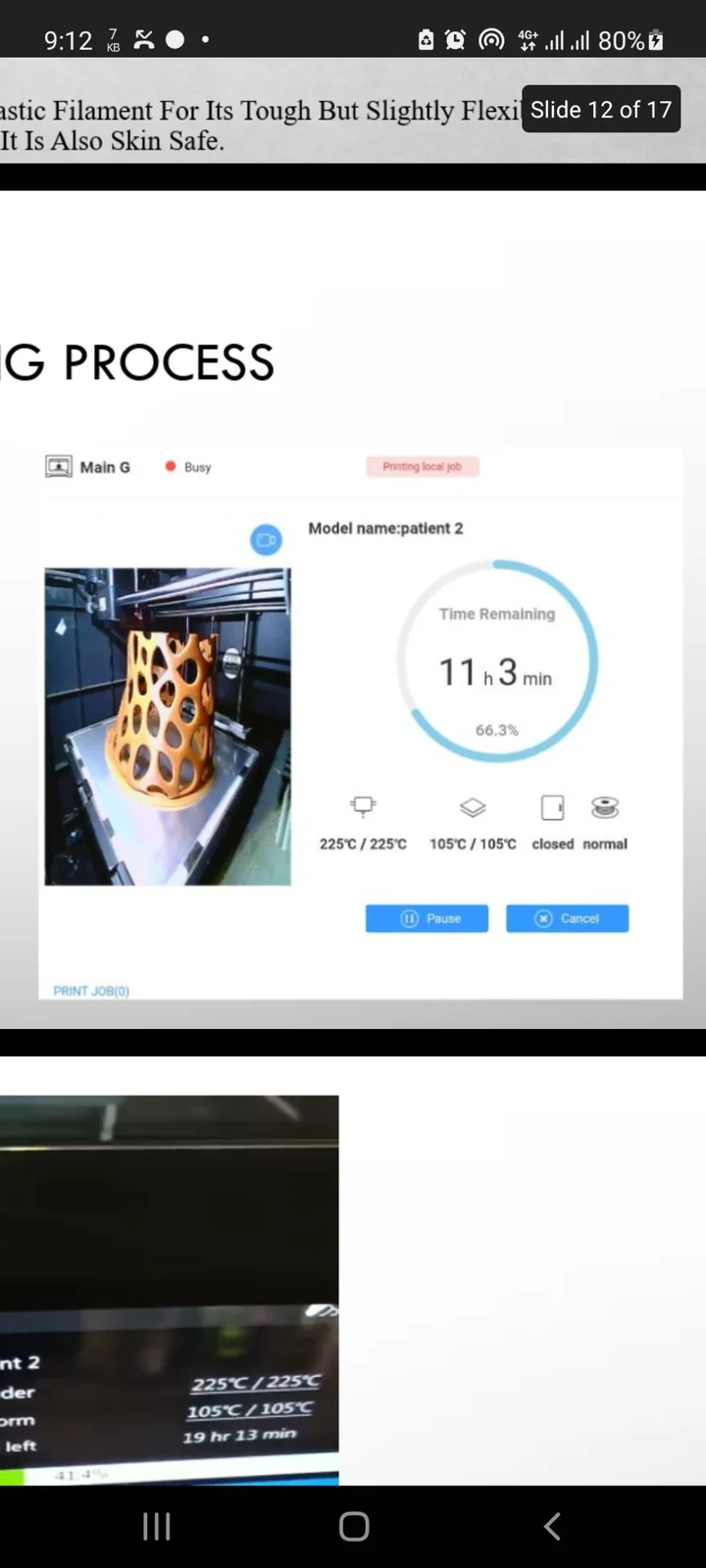
Additive-manufacturing build of the customized brace
Selected project documentation and engineering work. Patient-facing imagery is presented without identifying information.
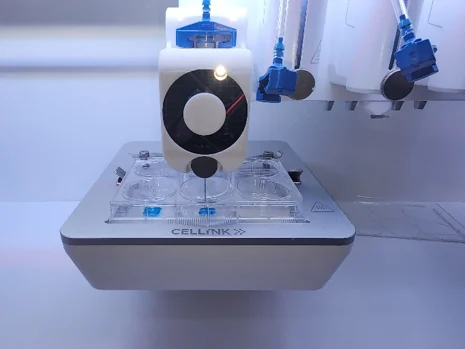
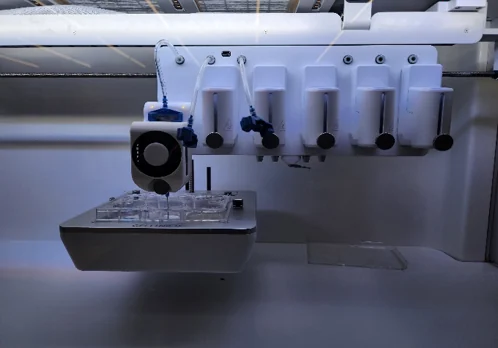
CELLINK bioprinter close-up during FRESH and GelMA researchCELLINK bioprinter used for FRESH and GelMA evaluation
Project 03 · Graduate research

FRESH and GelMA Bioprinting Evaluation

Designed and executed controlled bioprinting studies involving equipment configuration, pressure, speed, temperature, nozzle setup, material preparation, structural evaluation, fluorescence workflows, luminescence-based testing, confocal imaging, and comparative data review.

BIO X6FRESHGelMAConfocal ImagingMethod Development
Bioprinting research evidenceClick any image to open the full view
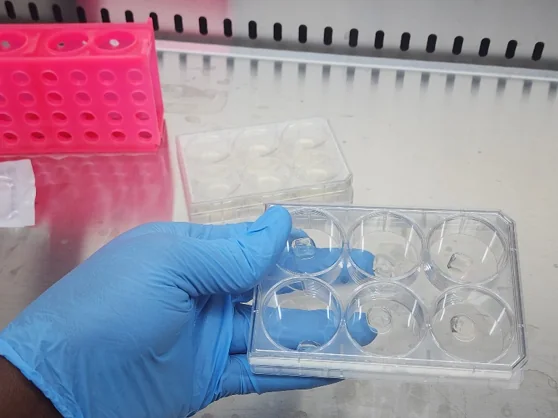
Freshly bioprinted constructs prepared for evaluation
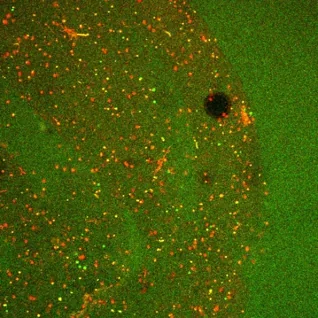
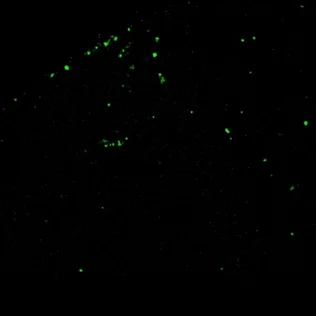
Fluorescence / confocal imaging from construct evaluation
Confocal image used in comparative viability analysis
Additional fluorescence image from the bioprinting study
Selected project documentation and engineering work. Patient-facing imagery is presented without identifying information.
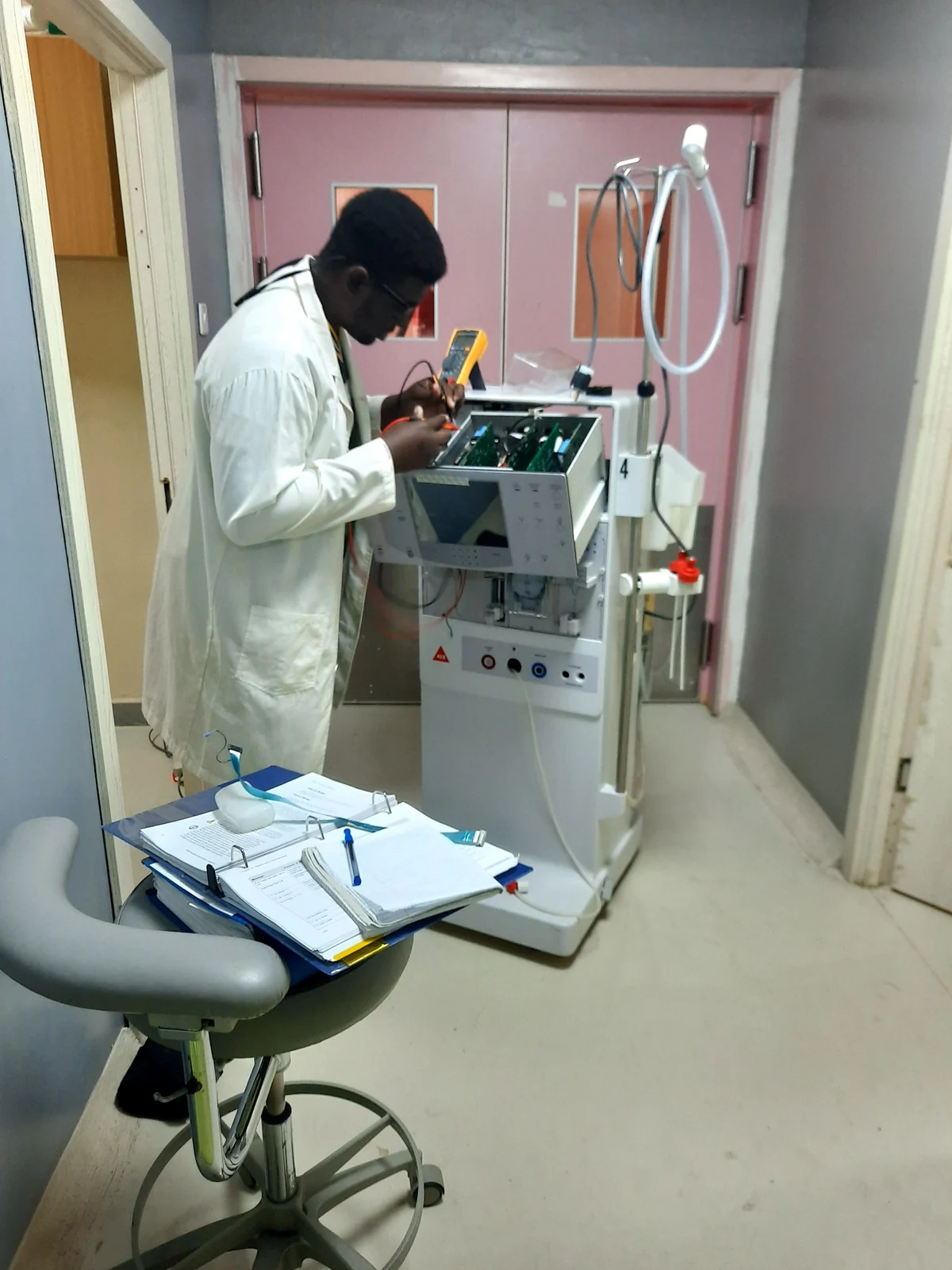
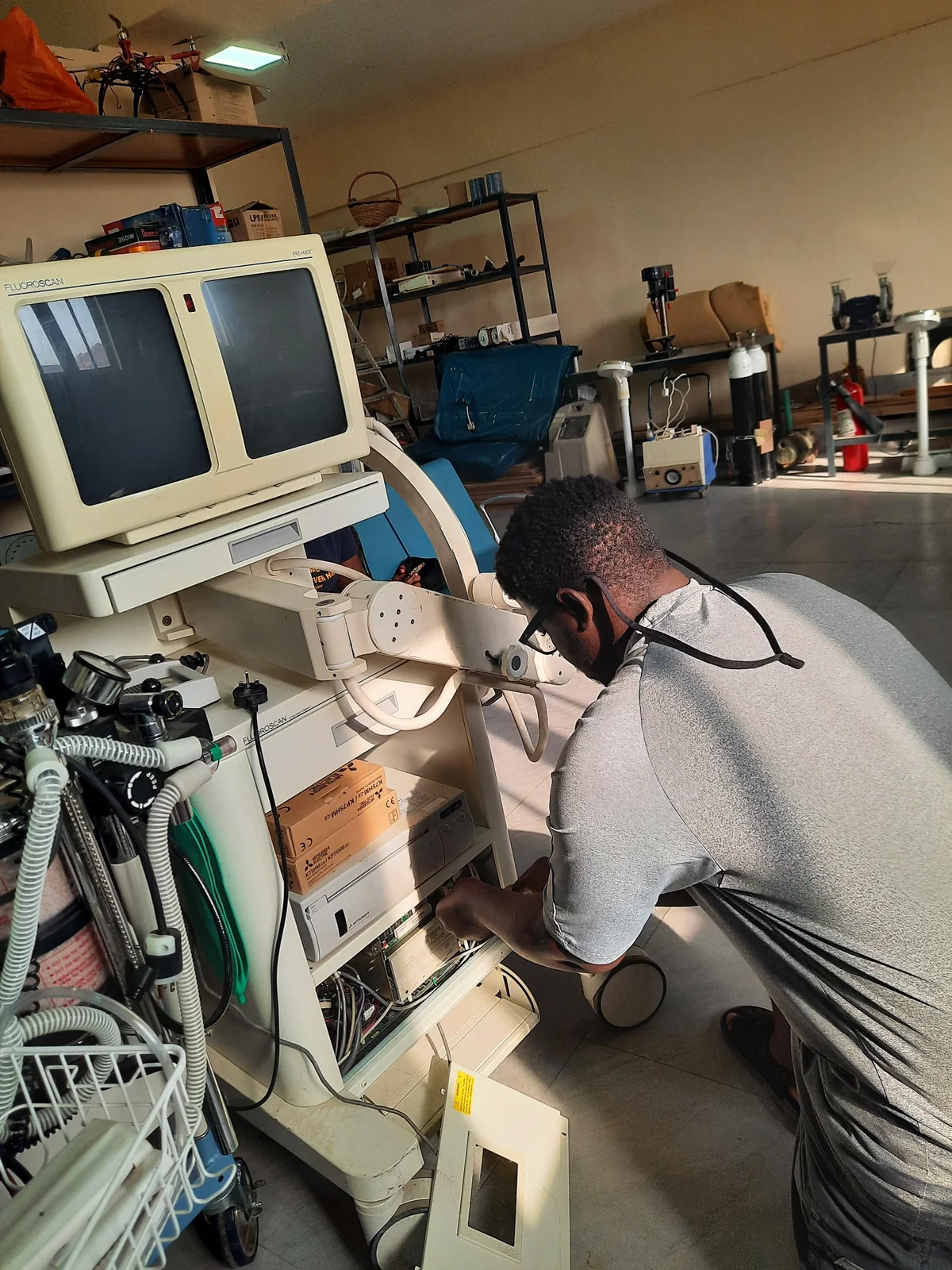
Biomedical engineer performing medical equipment troubleshooting
Project 04 · Clinical engineering

Medical Equipment Lifecycle Support

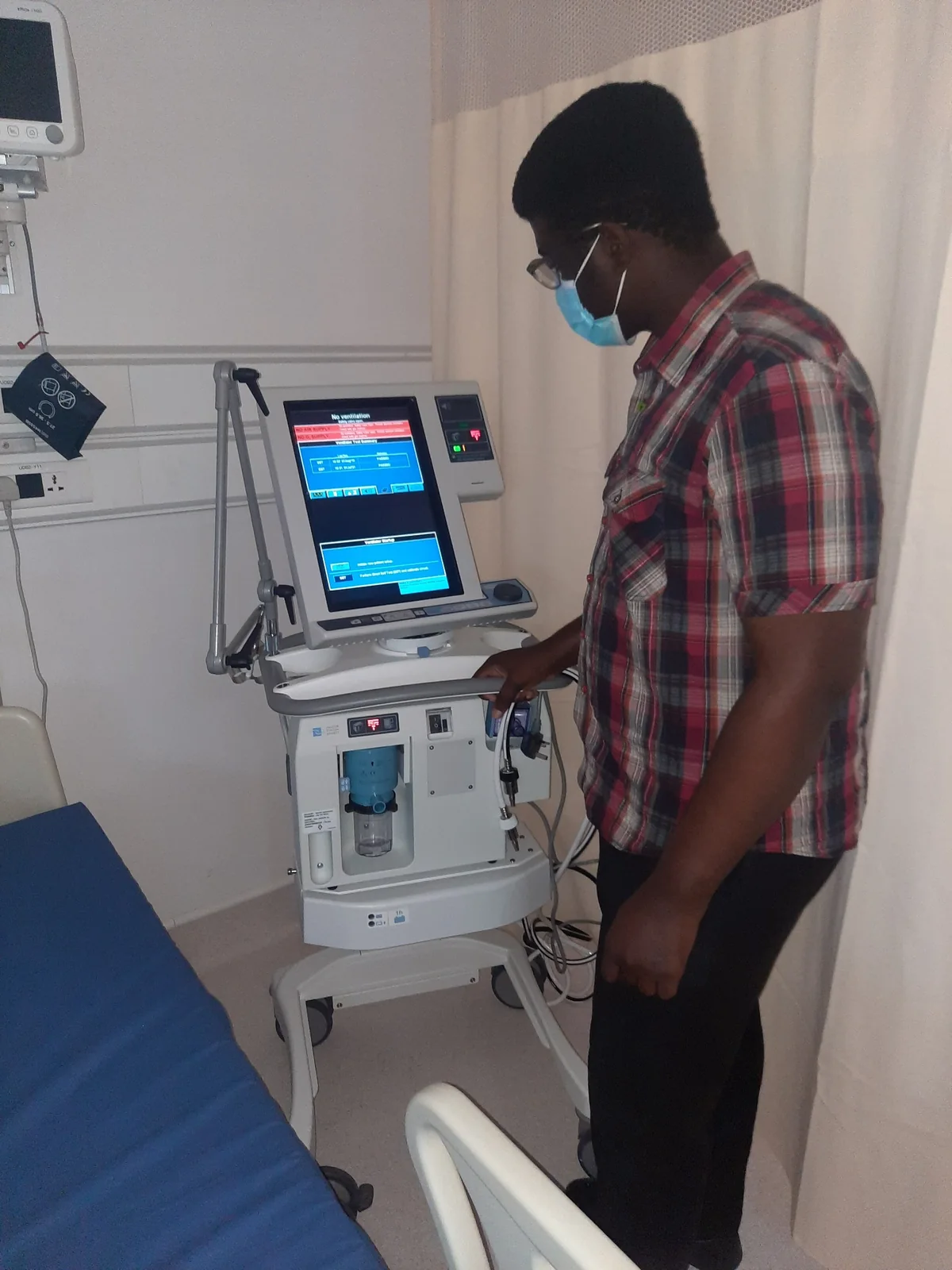
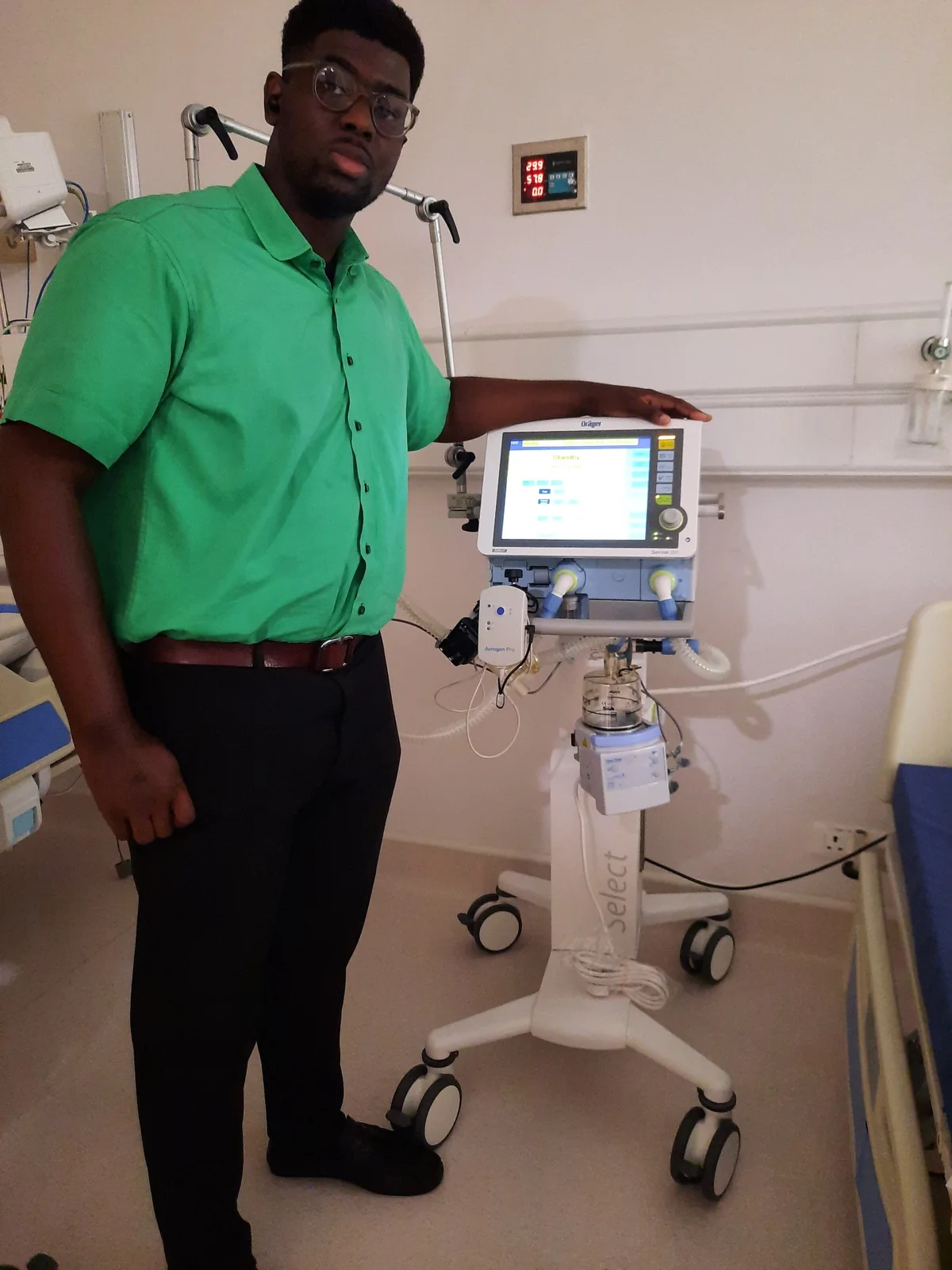
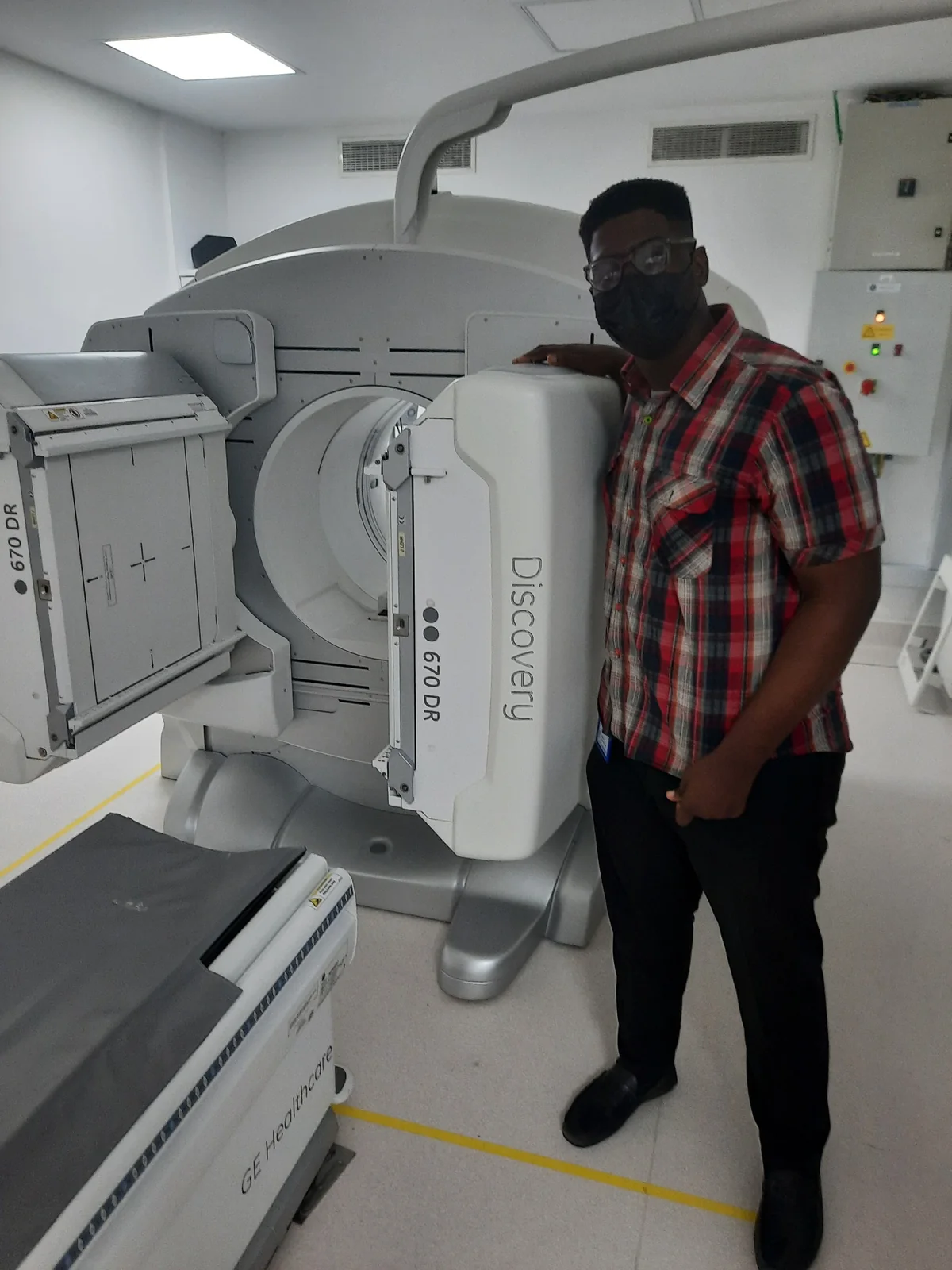
Supported equipment installation, inspection, troubleshooting, preventive maintenance, calibration readiness, functionality and safety checks, vendor escalation, service documentation, and return-to-use activities in hospital environments.

TroubleshootingClinical SupportDocumentationVendor CoordinationEquipment Reliability
Hands-on clinical engineering workClick any image to open the full view
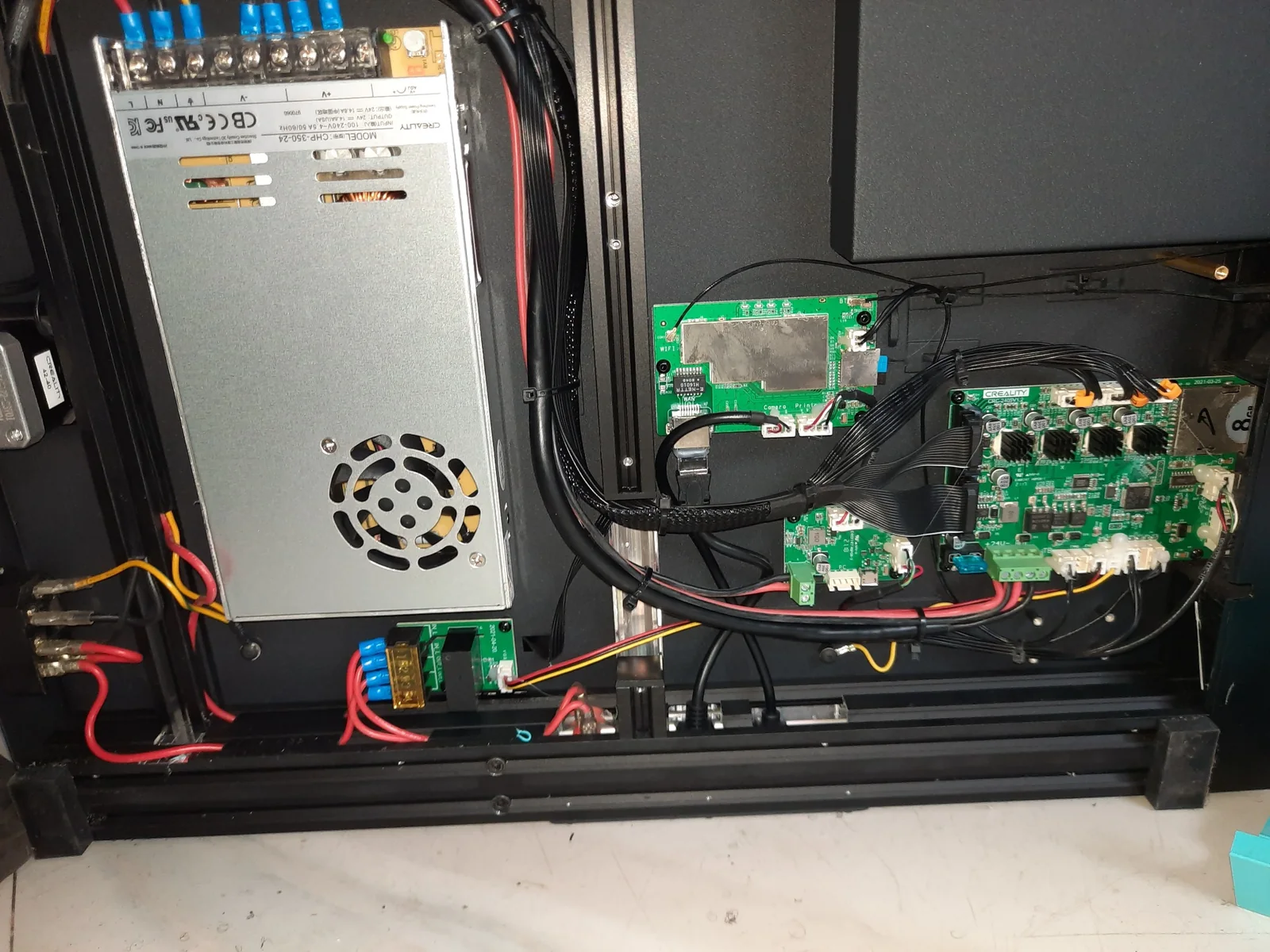
Internal electronics inspection and troubleshooting
Hands-on servicing of legacy clinical equipment
Patient-monitor setup, inspection, and functional checks
Ventilator inspection and clinical-equipment support
Diagnostic-imaging equipment familiarization and support
Selected project documentation and engineering work. Patient-facing imagery is presented without identifying information.
How I work

A clear and straightforward process achieved with technical experience and forethought to deliver quality.

Every engagement is scaled to the project, but the core workflow stays disciplined.

01 · DEFINE

Clarify the problem

Define the user need, technical objective, constraints, deliverables, and success criteria.

02 · DEVELOP

Create the solution

Develop concepts, CAD, models, plans, or documentation while reviewing the important engineering tradeoffs.

03 · EVALUATE

Check the evidence

Review geometry, interfaces, tests, risks, repeatability, and practical build considerations.

04 · DELIVER

Make it usable

Provide organized files, findings, assumptions, limitations, and recommended next steps.

Common questions

Before we start.

What kinds of biomedical engineering projects do you support?

Medical-device concepts, CAD and mechanical design, biomedical product development, prototypes, 3D printing, engineering simulation, benchtop testing, technical analysis, documentation, and selected clinical-equipment workflows.

Can you work remotely with clients in the United States and Canada?

Yes. Most design, CAD, analysis, documentation, and consulting work can be handled remotely. Physical prototyping or on-site requirements can be discussed based on the project.

Can you 3D print a model and ship it?

When a physical model is useful, I can print selected FDM models or prototype parts and arrange shipping within the United States. This is a supporting capability rather than the main focus of the consulting service.

Do you offer simulation or digital-twin work?

I can support engineering simulation, computational modeling, and AI-assisted digital-twin concepts where they are appropriate to the project. The exact tools and fidelity depend on the available data, intended use, and engineering question being answered.

Do you offer teaching or technical mentoring?

Yes. I am open to teaching, tutoring, and guided project support in areas such as biomedical engineering, CAD, 3D printing, prototyping, and engineering design workflows. The format can be adapted to an individual, student team, or small technical group.

Can our first contract be handled through Contra?

Yes. For first-time clients who want additional structure around payment and delivery, the initial engagement can be set up through Contra. The project can be divided into agreed milestones so each payment is tied to a defined deliverable or project goal. This is optional and can be discussed during scoping.

Do AI tools replace engineering or clinical review?

No. For products involving human health or physiology, AI and simulation are decision-support tools. Human review, verification, professional judgment, and accountability remain essential.

Project inquiries

Have a medical, mechanical, technical, or learning goal?

Send the project or teaching basics and I can review the scope, identify the right next step, and follow up directly. First-time client projects can also be structured through Contra with milestone-based deliverables and payments when preferred.

Your inquiry will be submitted securely and you will see a confirmation page after it is received. Do not include protected health information, patient-identifying data, passwords, confidential credentials, or sensitive client information in the form.